FBX / BVH
Beat Gesture
Melisa Allela
gesturestorytellingbeat
Clapping hands during oral storytelling isn’t just a sound effect, it serves as a rhythmic punctuation.
Clapping can energize the audience, drawing them into the story and keeping them captivated. A clap can highlight a key moment in the narrative, signaling a turning point or a surprising revelation.
Sometimes, the storyteller might initiate a clapping pattern, inviting the audience to respond, creating a sense of participation and shared experience through this call and response. Clapping (by audience and storyteller) can also add a percussive layer to the storytelling, complementing any singing or drumming that might be present.
This movement was recorded using a Rokoko Smartsuit Pro suit.
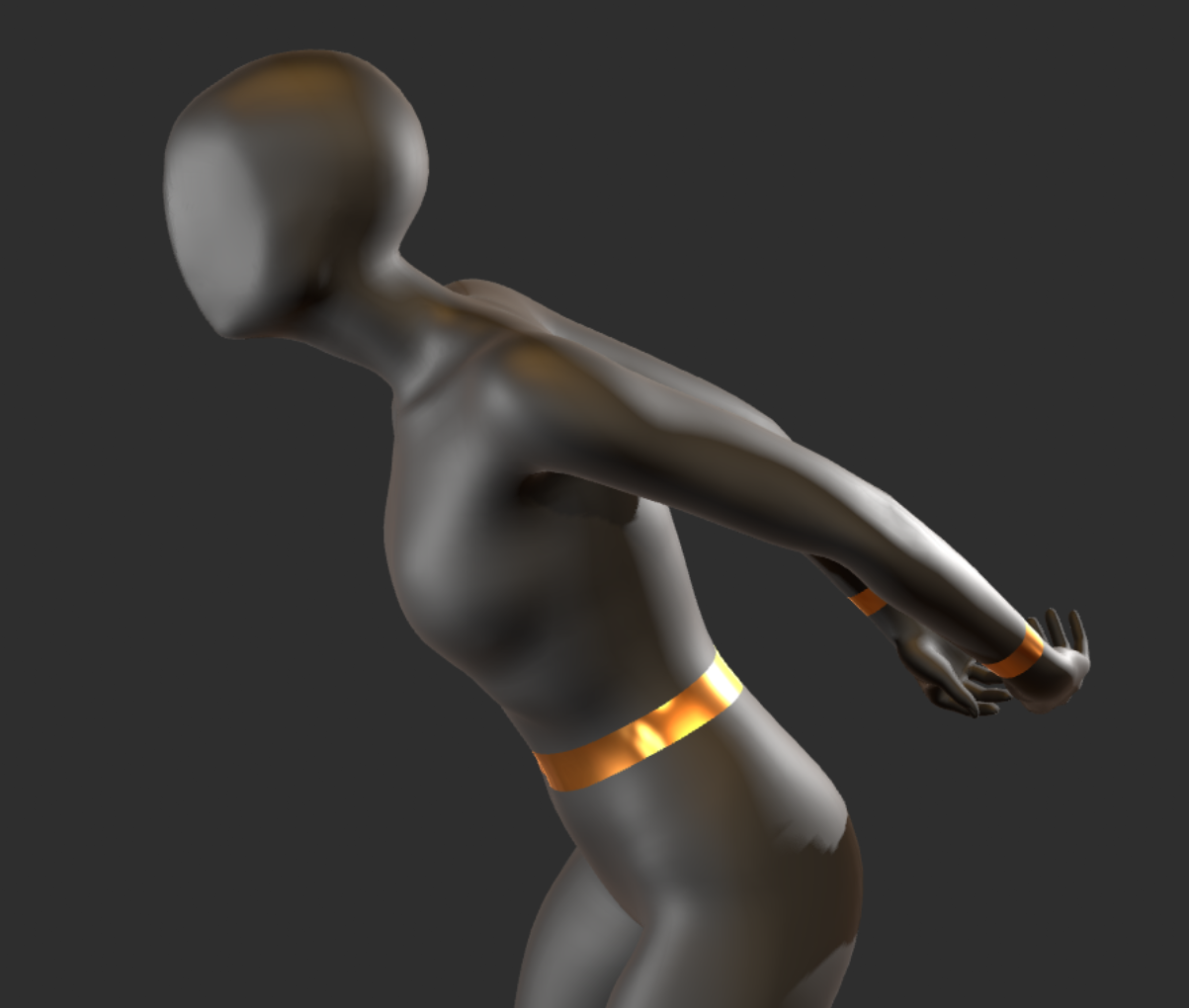
The Hyperbolic Stretch: To depict something of impossible or overwhelming size (e.g., “The debt was this big”), the arms may be thrown back slightly (hyperextension), and the chin lifted, engaging the entire upper body in the measurement.
The Asymmetrical Tilt: If describing something tall and wide (like a building or a person), the arms may tilt diagonally, with one hand distinctively higher than the other to imply verticality alongside width.
Facial Integration: The gesture is rarely silent. It is almost always accompanied by a widening of the eyes or a specific mouth shape (often a blown-out exhale) to auditory reinforce the “heaviness” of the size being depicted.
CC0 (Public Domain)